Not Every Part of Your Yard Needs Grass
A mindset shift toward a healthier, more intentional yard. For decades, we’ve been taught that a “good yard” means grass everywhere. Corner to corner. Fence to fence. If it’s green and mowed, it’s doing its job. But here’s the truth: not every part of your yard wants to be grass—and that’s okay. This isn’t about guilt, perfection, or ripping everything out. It’s about using turf where it actually makes sense and letting the rest of your yard work with nature instead of against it.


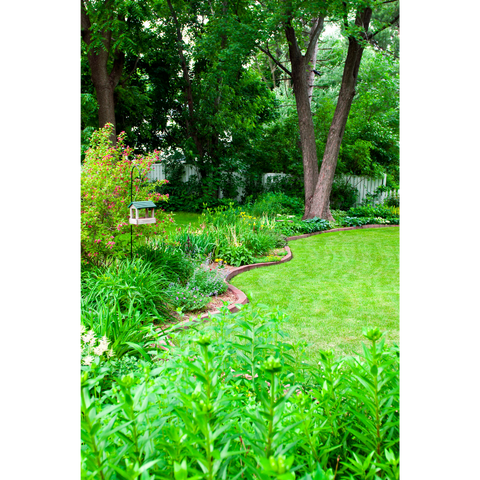
Instead of treating your yard like wall‑to‑wall carpet, think of turf grass as an area rug:
A place for kids to play
A space for pets
A path through the yard
A spot to sit, stretch, or toss a ball
Area rugs are functional. They’re comfortable. They serve a purpose.
What they don’t do is cover every square inch of your home.
Your yard deserves the same logic.
Stop Forcing Grass Where It Struggles
A lot of lawn frustration comes from trying to grow turf where it simply doesn’t want to be.
Common problem areas include:
Deep shade (especially under mature trees)
Hot, compacted edges along driveways and sidewalks
Wet or poorly draining areas
Tree roots competing for water and nutrients
When grass struggles, we tend to respond with more:
More watering
More fertilizer
More pesticides
More mowing
That cycle is exhausting—and unnecessary.
These areas aren’t failures. They’re opportunities.
Grass is great when it’s used intentionally
Shady corners, slopes, wet spots, and foundation edges are often better suited for gardens than turf.
By replacing struggling grass with native garden beds, you can:
Increase curb appeal with texture, color, and seasonal interest
Attract pollinators, birds, and other wildlife
Create structure and definition in your landscape
Turn “dead zones” into focal points
Gardens don’t have to be big or complicated to make an impact. Even small planted areas can completely change how a yard feels.
And unlike turf, native plants are adapted to local conditions—meaning they want to be there.


Gardens Belong in the Hard Places
Less Grass = Less Work
Reducing turf isn’t about doing more. It’s about doing less of what doesn’t serve you.
Less grass can mean:
Fewer hours spent mowing
Less money on fertilizer and chemicals
Less pressure to keep everything perfectly green
Less water use during dry periods
Native gardens fill in, root deeply, and improve over time instead of constantly needing correction.
Your yard should give something back—not demand your attention every weekend.
Healthier Yards Create Healthier Waterways
What happens in our yards doesn’t stay there.
Excess fertilizers and pesticides don’t disappear—they move:
Into storm drains
Into creeks and rivers
Into our lakes and reservoirs
Eventually into coastal waters
This runoff contributes to algae blooms, poor water quality, and harm to aquatic and marine life.
By shrinking lawn areas and planting gardens that absorb water naturally, we:
Reduce runoff
Improve soil health
Help protect our local watershed
Small changes, multiplied across neighborhoods, make a real difference.
If you love grass—keep it where it works for you.
If you’re tired of fighting it—let something else take its place.
Rewilding doesn’t mean perfection. It means intentional use of space.
Your yard doesn’t need to look like anyone else’s. It just needs to function better for you, your local ecosystem, and the life that depends on it.
You don’t need less lawn everywhere.
You just need grass where it makes sense.
This Is About Choice,
Not Judgment
You don’t need all the answers to start. If you’re curious where turf makes sense in your yard—and where something else might thrive—Rewild Tennessee can help you see your space with fresh eyes.
© 2026 Rewild Tennessee — Yard Wild.
All Rights Reserved.


Yard Wild
Rewild Tennessee — Native Plants & Ecological Landscaping