
Leave the Leaves: Nature’s Free Mulch, Habitat, and Soil Builder
What really happens when you leave leaves on the ground? The answer is surprisingly beneficial for your soil, wildlife, and workload.
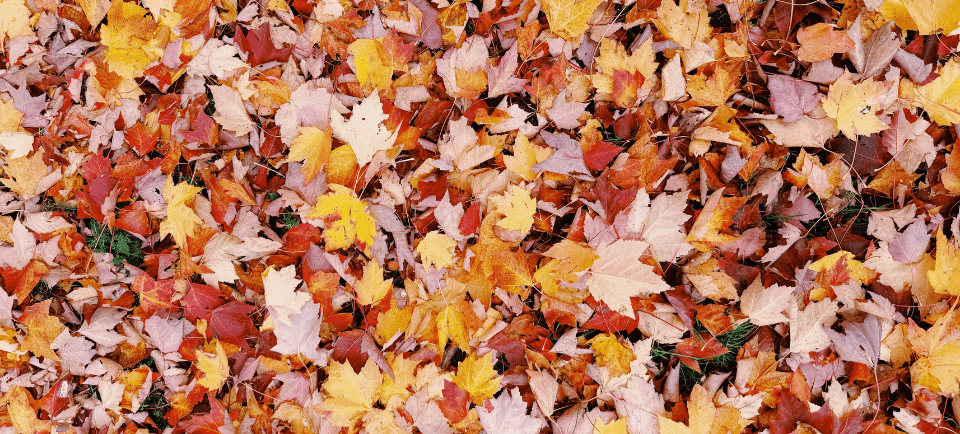
The Great Fall Cleanup… That Might Not Need to Happen
Every fall, millions of Americans do the same ritual: grab the rake, stuff leaves into plastic bags, drag them to the curb, and feel vaguely proud. After all, “clean yards” have been the expectation for decades.
But here’s the twist: those crunchy fall layers piling up in your yard aren’t a mess — they’re one of nature’s best freebies.
Nature isn’t dropping leaves out of laziness — it’s replenishing the soil, feeding insects, protecting roots, and laying down mulch for free. We’re the ones interrupting the process.
“I remember raking leaves when I was growing up… Now that I know better, I’m the neighbor collecting leaves to use as free mulch in plant beds.”
Leaves: The Mulch You Don’t Have to Buy
Leaves break down into nutrient-rich organic matter, and here’s why that matters:
Improves soil texture — fluffier, easier to work with
Boosts water retention
Adds slow-release nutrients
Protects plant roots through winter
Suppresses weeds
Mulch is expensive. Leaves? They’re everywhere.
Key Fact Callout:
According to Michigan State University, leaf litter slowly releases nitrogen, phosphorus, and potassium — essentially a natural fertilizer.
“It’s strange when homeowners bag leaves in fall only to buy mulch in spring for the same trees and beds that dropped those leaves.”
Leaves Are Living Space — Not “Litter”
A huge chunk of backyard wildlife depends on leaf litter.
Inside those piles live:
Butterfly and moth caterpillars
Fireflies (yes, the magical ones)
Native bees overwintering
Ladybugs
Beneficial insects, spiders, beetles, fungi, and soil organisms
When we bag leaves, we’re removing habitat, not just “yard waste.”
Key Fact Callout:
The Xerces Society reports that many butterfly and moth species overwinter in leaf litter. Removing leaves reduces firefly populations by destroying their larval habitats.
“To see more butterflies, fireflies, moths, and helpful insects, leave the leaves. Layer them under stems of perennials or shrubs and scatter small branches to create ‘leaf walls’ — wildlife will thank you.”

Feel inspired but staring at your leaf-covered yard like “…now what?”
That’s where I come in.
I help homeowners turn good intentions into real, thriving spaces.
If you want a nudge (or a plan), book your on-site consultation.
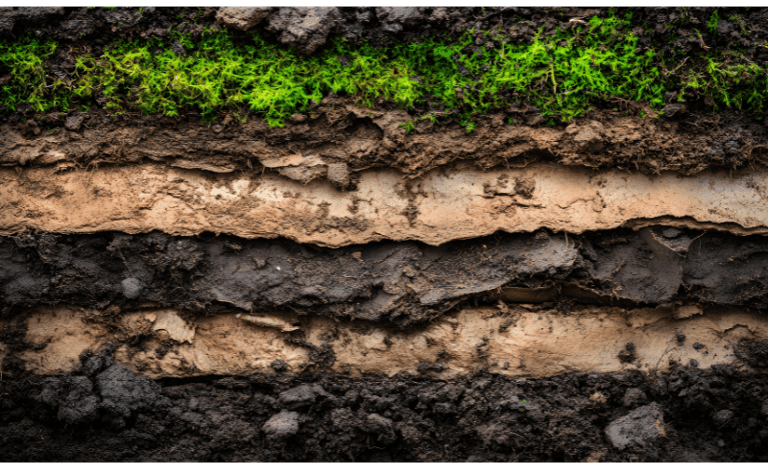
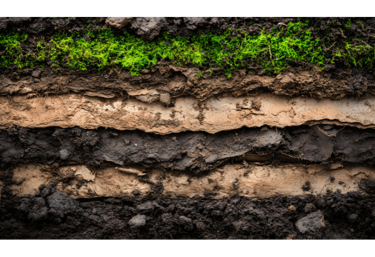
Healthy Soil Is Built From the Top Down
Leaves feed the invisible workforce in your yard: decomposers.
These include fungi, bacteria, earthworms, and microarthropods — all the tiny critters that make healthy soil possible.
They shred, digest, and transform leaf litter into humus, the dark, nutrient-rich layer plants love. No leaves = fewer decomposers = poorer soil.
Key Fact Callout:
Ohio State University soil ecologists note that decomposing leaves increase nutrient retention and improve plant resilience against drought and disease.
Practical Ways to Leave the Leaves (Without Looking Like You Quit Caring)
You can leave leaves and stay neighbor-friendly.
Keep leaves under trees, shrubs, and perennial beds. Nature intended them here.
Mulch mow leaves if you have large areas — a couple passes with a mower = fine particles = instant fertilizer.
Rake leaves off walkways and lawns into beds or naturalized corners.
Pile leaves around your plants and toss a few small branches on top. It keeps the leaves from blowing away, gives wildlife a cozy hideout, and looks purposeful instead of “I gave up.”
Start a leaf compost pile. Leaves + time = black gold.
Use shredded leaves as mulch in spring. Free. Sustainable. Effective.
Neighbor Tip Callout: Some leaves may drift into neighboring yards. Use plant stems and build short leaf walls to help contain your piles while still providing wildlife habitat.
But Won’t Leaves Kill My Grass?
Short answer: No — if you handle them correctly.
A thick, wet mat of leaves can smother turfgrass. Here’s what to do:
Mulch mow
Redistribute leaves into beds or under trees
Keep lawn surface breathable
Leaves aren’t the enemy. Neglect is.
“Turfgrass doesn’t look great in winter anyway. Think about the environmental impact if we all left most fall leaves in our yards.”
The Big Picture — Letting Nature Do the Work
Leaving leaves isn’t “lazy landscaping.” It’s ecological landscaping.
By following natural cycles, you’re:
Saving wildlife
Feeding pollinators
Improving soil
Reducing waste
Saving money
Cutting fall yardwork in half
And it all starts with… not doing something. One less chore = more time for garden fun.
When we stop fighting nature, the yard fixes itself. You don’t need more products, raking, or hauling — just let the leaves do what they’ve always done. Think about landscapes before humans interfered.
If you’re nervous about being the ‘weird neighbor,’ start small. Mulch some leaves, leave them under a tree, or display a sign like the Xerces Society’s ‘Leave the Leaves’ to show you’re creating wildlife habitat.
© 2026 Rewild Tennessee — Yard Wild.
All Rights Reserved.



Yard Wild
Rewild Tennessee — Native Plants & Ecological Landscaping